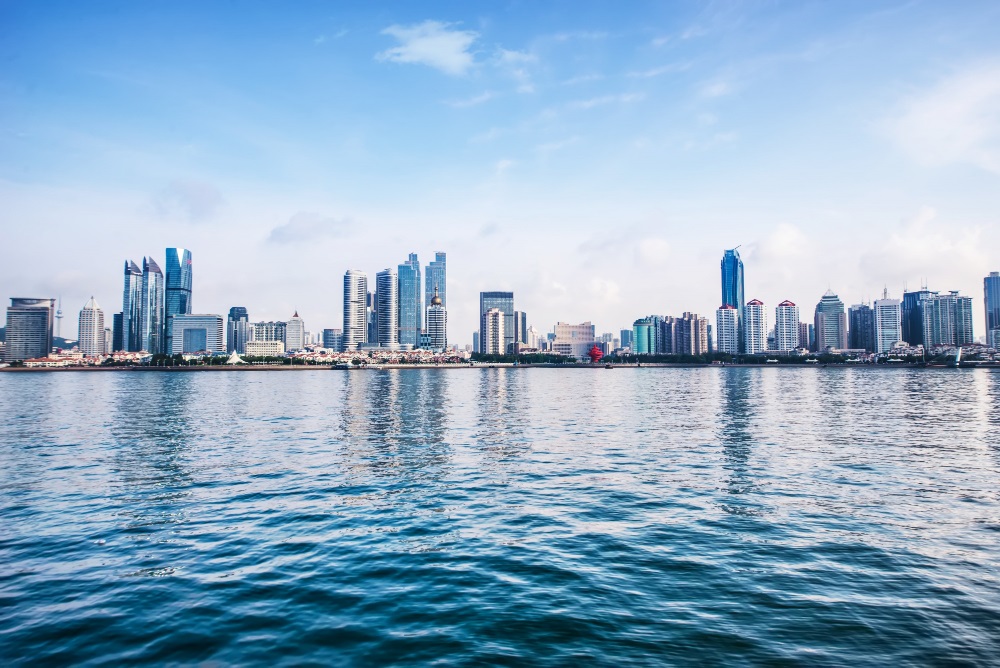
A Beacon for Global Investors in 2025
As 2025 unfolds, Qatar’s real estate sector emerges as a compelling opportunity for international investors. The nation’s robust economic growth, progressive policies, and strategic developments have coalesced to create a dynamic property market that warrants close attention.
With a stable currency, a strong banking sector, and a growing focus on foreign direct investment (FDI), Qatar has reinforced its economic standing as one of the Middle East’s most attractive investment hubs. For property investors, this translates to increased financial security and heightened confidence in capital appreciation.
Economic Resilience and Growth
Qatar‘s economy continues to exhibit resilience and vitality. The International Monetary Fund projects a real GDP growth of 5.7% by 2027, underscoring the nation’s robust economic trajectory. This growth is significantly bolstered by the expansion of liquefied natural gas (LNG) production, positioning Qatar as a pivotal player in the global energy market. The resultant economic prosperity has a cascading effect on the real estate sector, driving demand across residential, commercial, and industrial properties.
Government Reforms Attracting Foreign Investment
In a landmark move, the Qatari government enacted Law No. 16 of 2018, revolutionising property ownership for non-Qataris. This legislation designates specific zones where foreign investors can acquire freehold ownership, a departure from previous restrictions. Notably, areas such as The Pearl Island, Lusail City, and West Bay Lagoon are now accessible for foreign ownership, making them prime targets for international investors. These reforms have not only diversified the investor base but also infused the market with increased liquidity and competitiveness.
Further policy changes, such as granting residency permits to foreign property owners under specific conditions, have made investment in Qatari real estate more attractive. Buyers purchasing properties worth QAR 1 million (£215,000) are eligible for residency permits, while those investing over QAR 3.65 million (£785,000) may be granted permanent residency status with added benefits.
Lusail City: A Visionary Urban Development
Lusail City stands as a testament to Qatar’s visionary urban planning. Spanning over 38 square kilometres, this meticulously planned metropolis is designed to accommodate approximately 450,000 people, including 250,000 residents and 190,000 office workers. The city’s infrastructure boasts state-of-the-art amenities, sustainable design, and smart city technologies, making it a magnet for both investors and residents seeking a blend of luxury and convenience.
Developments such as Lusail Marina, Fox Hills, and Energy City offer a mix of residential, commercial, and leisure spaces, providing a balanced ecosystem for work and play. With a futuristic transport system, including the Lusail Tram and metro connections, accessibility is a major advantage, further boosting property values.
The Pearl Island: Luxury and Cultural Heritage
The Pearl Island offers a unique blend of residential, commercial, and leisure spaces, all set against the backdrop of Qatar’s rich cultural heritage. With its Mediterranean-inspired architecture, marina facilities, and upscale retail outlets, The Pearl has become a coveted address for discerning buyers. The island’s strategic location and comprehensive amenities make it an attractive proposition for those looking to invest in high-end properties.
Property prices in The Pearl range from QAR 12,000 to QAR 16,000 (£2,580 to £3,440) per square metre, with demand consistently high due to the exclusivity and lifestyle offerings of the area. Given the island’s popularity among expats and international investors, rental yields remain competitive, offering returns of around 5-7% annually.
Commercial Real Estate: A Sector on the Rise
The commercial real estate segment in Qatar is experiencing a significant upswing. Recent reports estimate the market size to reach $18.07 billion (£13.5 billion) in 2025, with projections to escalate to $26.01 billion (£19.4 billion) by the decade’s end. This growth is propelled by Qatar’s burgeoning status as a global business hub, attracting multinational corporations and fostering a vibrant commercial ecosystem.
With the success of the FIFA World Cup 2022, Qatar gained worldwide exposure, significantly enhancing investor confidence in its real estate sector. The government has also initiated free zones and tax incentives to attract corporate tenants, further strengthening the demand for office spaces in areas like West Bay, Msheireb Downtown, and Lusail City.
Sustainable and Smart Developments: The Future of Real Estate
Aligning with the Qatar National Vision 2030, there is a pronounced emphasis on sustainable and smart developments within the real estate sector. Projects are increasingly incorporating eco-friendly designs, energy-efficient systems, and smart technologies to enhance the quality of life for residents. This shift not only addresses environmental concerns but also adds a premium to property values, appealing to a growing segment of environmentally conscious investors.
Developments like Msheireb Downtown Doha have set a benchmark in sustainable architecture, offering a model of how modern urban living can be harmonised with sustainability. The demand for LEED-certified buildings is on the rise, reflecting a growing investor preference for properties that meet global environmental standards.
Residential Market Dynamics: Stability and Growth
The residential property market in Qatar is characterised by stability with pockets of growth. High-end larger units in select locations have shown notable improvements, reflecting a demand for luxury living spaces. Additionally, the government’s residency incentives for property investments have spurred interest in the residential sector, offering investors the dual benefits of asset appreciation and residency privileges.
Currently, average property prices in Doha range from QAR 10,000 to QAR 13,000 (£2,150 to £2,795) per square metre, with premium locations such as West Bay, The Pearl, and Lusail commanding higher rates. Rental yields in sought-after locations remain competitive at 5-8%, making the market an attractive choice for buy-to-let investors.
Moreover, the demand for branded residences is steadily increasing, with major global hotel brands partnering with developers to offer high-end residential units that promise exclusive services and strong resale value.
Rental Market: A Strategic Investment Play
The rental market in Qatar has demonstrated resilience, with demand particularly strong in prime locations. The influx of expatriates, driven by Qatar’s business-friendly policies and world-class infrastructure, has bolstered the demand for high-quality rental properties.
Rental yields in Doha average between 5-7%, with premium developments such as The Pearl and Lusail City offering even higher returns. A two-bedroom apartment in The Pearl can command a monthly rental of QAR 10,000 to QAR 14,000 (£2,150 to £3,000), while a luxury villa in West Bay Lagoon can fetch QAR 25,000 (£5,375) per month.
Investor Considerations: Key Factors to Watch
For potential investors, Qatar’s real estate market presents a landscape replete with opportunities. However, it is imperative to conduct thorough due diligence, considering key factors such as property location, market demand, and regulatory compliance. Here are some crucial points to consider:
Legal Framework: Ensure compliance with Qatar’s real estate laws, particularly for foreign buyers.
Rental Yields: Evaluate potential rental income and long-term returns.
Market Trends: Keep an eye on economic indicators, government policies, and infrastructural developments.
Resale Potential: Consider the resale value of properties in different locations.
Currency Exchange: Factor in currency fluctuations when investing from abroad.
Financial Disclaimer: The information provided in this article is for general informational purposes only and does not constitute financial advice. While every effort has been made to ensure the accuracy of the content, market conditions may change, and unforeseen risks may arise. The author and publisher of this article do not accept liability for any losses or damages arising directly or indirectly from the use of the information contained herein.
Copyright: propertyinqatar.co.uk
Picture:Freepik.com